Buyer Guides November 16, 2025

Understanding what closing costs are and who pays them in Citrus County

Understanding Closing Costs and Who Pays Them in Citrus County

Closing costs in Citrus County

When you buy a home in Citrus County, you will hear about closing costs. These costs include the fees and expenses due at the end of a real estate transaction. Because of that, knowing what they are and who pays them helps you avoid surprises. As a result, you can move toward closing day with more confidence.

If you want extra guidance, tools, and buyer support, visit my Buyer Resources page for more helpful information.

What closing costs typically include

Closing costs often include lender fees, appraisal charges, title insurance, HOA prorations, recording fees, prepaid taxes, and homeowner’s insurance. In addition, these items vary based on the home’s price, loan type, and location. For example, some properties have HOA fees while others do not.

How much buyers usually pay

Most buyers in Citrus County pay between two and five percent of the purchase price. The total depends on the loan, the prepaid costs, and the services needed for the transaction. Because of this, it helps to review your loan estimate early so you understand the numbers clearly.

Who pays each type of fee

Some items are usually paid by buyers. Others may be covered by sellers. However, many fees can be negotiated. This is common when repairs, concessions, or credits are part of the deal. As a result, clear communication can save you money.

Ways to reduce closing costs

Buyers can sometimes lower these expenses. For example, you can compare lenders, review the loan estimate carefully, request seller credits, or adjust the timing of tax and insurance payments. You can also ask your lender about discounts or special programs. In addition, some buyers reduce costs through rate shopping.

Why closing costs in Citrus County matter

Understanding these expenses helps you plan better and avoid stress. It also gives you more leverage when you negotiate with sellers. Because of this, clear information makes the entire process smoother.

For more details about closing costs and Florida real estate fees, visit the Consumer Financial Protection Bureau.

Download your free Citrus County Buyer’s Guide

Want a simple explanation of closing costs, inspections, appraisals, and loan steps? Get my free Buyer’s Guide below. It breaks each topic down in an easy way so you feel prepared. In addition, it gives you a clear path for what to expect next.

Download Your Citrus County Buyer’s Guide

Uncategorized November 16, 2025

What is a home inspection and why is it important in Citrus County

Why a home inspection is important in Citrus County

When you begin the home buying process, understanding why a home inspection is important in Citrus County can help you make confident decisions. A home inspection is a professional evaluation of the property’s condition, including structure, safety, and major systems. Because of that, it protects buyers from unexpected repairs and helps you fully understand the home you’re purchasing.

If you want more guidance during the buying process, you can also visit my Buyer Resources page for additional tools and helpful information.

A home inspection gives you peace of mind by identifying issues early. It also helps you budget for future repairs and understand the true condition of the home. In Citrus County’s competitive market, this step helps you make smart decisions without surprises after closing.

Prefer to watch a video on the subject instead? Here it is.

What a home inspection includes

A licensed inspector reviews the home’s structure, roof, electrical system, plumbing, HVAC, windows, foundation, and overall safety. They look for needed repairs, signs of aging, and potential hazards. In addition, inspectors document their findings in a detailed report that you can review with your agent.

The inspection protects buyers

Inspections help uncover issues that may not be visible during a showing. Because of this, buyers can negotiate repairs, request credits, or walk away if the problems are too significant. This step ensures you understand the home’s true condition before committing. Knowing why a home inspection is important in Citrus County helps buyers avoid costly surprises.

Why a home inspection is important in Citrus County for buyers

Inspections can affect your final decision

If the inspection reveals minor issues, buyers typically move forward. However, if major concerns come up, you can renegotiate, ask the seller to fix problems, or adjust your offer. As a result, the inspection gives you leverage during negotiations.

What happens if major issues are found

When big repairs are needed, buyers often have several options. You can request seller repairs, credits, price reductions, or choose to cancel the contract. You are never forced to take on costly repairs. This is why inspections are one of the strongest protections for buyers.

Why inspections matter in Citrus County

Our area includes a wide range of homes — older Florida block homes, waterfront properties, ranch homes, and new construction. Because of that, an inspection helps you understand the unique features and potential issues based on age, location, and construction style.

Inspections are a key step in every home purchase

In summary, a home inspection protects buyers, reveals hidden problems, and ensures you make an informed decision. Understanding the process gives you confidence and clarity when buying in Citrus County.

For more information on Florida home inspections, visit the International Association of Certified Home Inspectors.

Get Your Free Citrus County Buyer’s Guide

Want a simple breakdown of inspections, appraisals, loan steps, and closing costs? Download my free Buyer’s Guide below.

Download Your Citrus County Buyer’s Guide

Buyer Guides November 16, 2025

What is an appraisal and why do I need one in Citrus County

What is an appraisal and why do I need one in Citrus County

When you begin the home buying process, a common question you may ask is what is an appraisal and why do I need one in Citrus County. An appraisal is a professional evaluation of a home’s market value, and it plays an important role in protecting buyers and lenders. In addition, it helps confirm that the home is worth the amount you plan to borrow.

If you want more guidance during the buying process, you can also visit my
<a href=”YOUR_INTERNAL_LINK_HERE”>Buyer Resources page</a>
for additional tools and helpful information.

If you prefer a video to explain appraisals here it is.

Understanding how the appraisal process works

Here is a simple breakdown of what the evaluation includes and why it matters.


1. An appraisal determines the home’s market value

A licensed appraiser reviews recent comparable sales, the home’s condition, upgrades, and location. They use this information to estimate the fair market value. In other words, the report confirms what the property is worth in today’s market.


2. The appraisal protects both buyers and lenders

Your lender requires this step to ensure the home supports the loan amount. This protects the bank from lending more than the property is worth. At the same time, it protects buyers from overpaying. Because of this, the appraisal is one of the most important safeguards in the home buying process.


3. Appraisals can affect your loan approval

If the value comes in at or above the contract price, the loan usually moves forward. If it comes in lower, your lender may not approve financing at the agreed price. As a result, buyers may need to renegotiate with the seller or adjust their financing. This step helps ensure the value aligns with the loan amount.


4. What happens if the appraisal is low

When the value is lower than expected, buyers have several options. You can ask the seller to lower the price, split the difference, or offer credits. You can also bring additional funds to closing. However, buyers are never forced to overpay. Because of this, the appraisal gives you leverage and protects your budget.


5. How appraisers evaluate a home

Appraisers look at square footage, lot size, recent upgrades, condition, roof age, comparable sales, layout, and location. In addition, they note safety features and current market trends. These details help them determine a fair value for the property.


6. Why appraisals matter in Citrus County

The Citrus County market can shift between stable, competitive, and fast-moving conditions. A professional report helps you understand how a home compares to similar properties in Crystal River, Inverness, Homosassa, Dunnellon, and surrounding areas. As a result, it provides a clear picture of value before you commit to the purchase.


Appraisals are a key part of every home purchase

In summary, this step confirms the value of the home, protects buyers from overpaying, and helps lenders make sound decisions. Understanding what is an appraisal and why do I need one in Citrus County helps you move forward with confidence.

Get Your Free Citrus County Buyer’s Guide

Want a simple breakdown of appraisals, inspections, loan steps, and closing costs? Download my free Buyer’s Guide below.

<a href=”https://www.canva.com/design/DAGAEgWv4Uc/03BH48RGdsXAtIi8eKrwzA/view” target=”_blank” rel=”noopener”>Download Your Citrus County Buyer’s Guide</a>

Buyer Guides November 16, 2025

What is a home inspection and why is it important in Citrus County

Why a Home Inspection Matters for Citrus County Buyers A home inspection is a professional evaluation of the property’s overall condition. Because of that, it plays a major role in helping buyers make informed decisions. In addition, the inspection protects your investment and helps you understand the true condition of the home before closing.

For more buyer questions and home buying guides in Citrus County, visit my <a href=”https://cindyburkhardt.com/buying-and-selling-tips”>Buyer Resources page</a>.

What is a home inspection and why is it important explained

A home inspection plays a major role in helping buyers understand the condition of the property and make confident decisions before closing.


Understanding how home inspections work

Here is a simple explanation of what a home inspection includes and why it matters.


1. A home inspection evaluates the condition of the property

A licensed inspector reviews the structure, roof, electrical system, plumbing, foundation, HVAC system, windows, doors, and overall safety. They look for visible defects or potential problems. Because of this, the inspection gives buyers a clear picture of the home’s condition.


2. The inspection report helps you make informed decisions

After the inspection, the inspector provides a detailed report. This report outlines issues, safety concerns, and recommended repairs. For example, the report may highlight roof problems, electrical issues, or plumbing leaks. As a result, buyers can clearly understand what needs attention before moving forward.


3. Inspections protect your investment

A home may look perfect during a showing, but hidden issues can be costly later. Inspections help identify problems before you commit to the purchase. In addition, they help you avoid unexpected expenses after closing. Because of this, the inspection phase is one of the most important steps in the buying process.


4. Inspections can help with negotiations

If the inspection reveals serious issues, you may ask the seller to make repairs, offer credits, or adjust the price. For instance, if the air conditioner needs replacement, you can negotiate a repair or credit. On the other hand, if problems are minor, you can still move forward with confidence. In many cases, the inspection gives buyers more negotiating power.


5. Some loan types require additional inspections

Depending on the loan type, extra inspections may be needed. For example, FHA and VA loans may require specific safety or structural checks. In addition, homes with wells, septic systems, or older roofs may need specialty inspections. These added checks help ensure the home meets lender standards.

Many buyers also ask what a four point inspection is and when it may be required.


6. Home inspections reduce risk for buyers

In summary, a home inspection protects buyers by revealing the true condition of the home. It confirms safety, identifies needed repairs, and provides peace of mind. Understanding what is a home inspection and why is it important in Citrus County helps you make confident and informed decisions throughout the buying process.


Get Your Free Citrus County Buyer’s Guide

You can also download my free <a href=”https://www.canva.com/design/DAGAEgWv4Uc/03BH48RGdsXAtIi8eKrwzA/view” target=”_blank” rel=”noopener”>Citrus County Buyer’s Guide</a> for a step-by-step overview of inspections, financing, and closing.

Buyer Guides November 16, 2025

What are closing costs and who pays them in Citrus County

What are closing costs and who pays them in Citrus County

When buyers begin planning for a home purchase, one of the most common questions they ask is what are closing costs and who pays them in Citrus County. Closing costs include the fees and services needed to finalize a real estate transaction. Because of that, understanding these costs early helps buyers and sellers budget confidently. In addition, knowing who pays for what makes the entire process smoother and less stressful.

If you want more guidance during the buying process, you can also visit my
<a href=”YOUR_INTERNAL_LINK_HERE”>Buyer Resources page</a>
to explore local tools and checklists.


Understanding closing fees in a Citrus County transaction

Here is a simple breakdown of what these fees include and how they work in a real estate purchase.


1. What buyers and sellers pay at closing

Closing fees include several services and charges. These may include lender fees, title company charges, appraisal fees, credit checks, surveys, prepaid taxes, homeowner insurance, and recording fees. For example, lenders charge fees for processing the loan, while title companies charge fees for handling the final paperwork. In other words, these fees cover the professional services needed to complete the sale.


2. Typical fees buyers pay when purchasing a home

Most buyers in Citrus County pay about two to five percent of the purchase price in closing fees. Sellers pay different charges tied to their side of the transaction. Loan type, interest rate, and taxes can affect the final amount. Because of this, reviewing your lender’s estimate early in the process helps you prepare.


3. Who typically pays closing costs

Both buyers and sellers pay costs at closing, but they cover different items. Buyers usually pay lender fees, title insurance (depending on county), prepaid taxes, and insurance. Sellers often pay the real estate commission, title fees (depending on county), and any agreed credits. In Citrus County, the buyer commonly pays for the owner’s title policy, although this can be negotiated. As a result, each transaction may look a little different.


4. Can buyers ask sellers to contribute

Yes, buyers can negotiate for seller concessions. For instance, a buyer may ask the seller to help with their cost to close. This can make the home more affordable at the start. However, loan programs sometimes limit how much sellers can contribute. In addition, the strength of the market often affects how much sellers are willing to help.


5. Why these fees are important during a home purchase

Closing fees play an important role in your final budget. They ensure all professional services are completed accurately and legally. Reviewing these fees early prevents surprises on closing day. As a result, you can plan with confidence and avoid last-minute stress.


Closing costs are a key part of every home purchase

In summary, these fees cover the services required to complete a home sale. Understanding what are closing costs and who pays them in Citrus County helps you budget wisely and move through the buying process with confidence.


Get Your Free Citrus County Buyer’s Guide

If you want a simple breakdown of closing fees, timelines, loan types, and buyer steps, download my free Buyer’s Guide below.

<a href=”https://www.canva.com/design/DAGAEgWv4Uc/03BH48RGdsXAtIi8eKrwzA/view” target=”_blank” rel=”noopener”>Download Your Citrus County Buyer’s Guide</a>

Buyer Guides November 16, 2025

What is earnest money and how does it work in citrus County

What is earnest money and how does it work in Citrus County

When you begin the home buying process, one of the first questions you may ask is what is earnest money and how does it work in Citrus County. Earnest money is a good faith deposit that shows the seller you are serious about purchasing the home. Because of that, understanding this deposit early helps you feel confident when making an offer. As a result, earnest money plays an important role in strengthening your offer and protecting both sides during the transaction.

If you want more buyer tools and guides, you can also visit my
<a href=”YOUR_INTERNAL_LINK_HERE”>Buyer Resources page</a>
for checklists and helpful information.


How earnest money works for homebuyers

Here is a clear explanation of how earnest money functions during a real estate transaction.


1. Earnest money is a deposit that shows commitment

Earnest money is usually one to three percent of the purchase price. Some buyers offer more in competitive situations. After the seller accepts your offer, the title company holds the deposit during the contract period. This step shows real commitment and helps your offer stand out.


2. The deposit is applied to your closing costs

Earnest money is not an extra fee. Instead, you receive the credit at closing, usually toward your down payment or closing costs. For example, a two thousand dollar deposit may reduce the cash you need at closing. In other words, it is still your money, just held for a short time.


3. Inspections and contingencies protect your deposit

One of the biggest questions buyers ask is whether they can lose their earnest money. Contract contingencies protect you in most cases. If the inspection shows major issues, you can cancel the contract. If financing falls through, you can usually cancel as well. In both situations, you may qualify to get your earnest money back. Because of this, reading the contract carefully is important.


4. When earnest money may be forfeited

There are situations where a buyer may lose their deposit. For instance, if you cancel the contract for a reason not covered by contingencies, the seller may keep the earnest money. You may also lose it if you miss major deadlines or fail to meet contract requirements. As a result, staying organized and responding quickly helps protect your deposit.


5. Why earnest money matters to sellers

Earnest money gives sellers confidence in your offer. In addition, it shows that you are financially prepared and ready to move forward. Strong earnest money deposits can make your offer more appealing, especially in competitive Citrus County markets.


Earnest money is an important part of the buying process

In summary, earnest money is a good faith deposit that strengthens your offer, protects the seller, and helps guide the contract toward closing. Understanding what is earnest money and how does it work in Citrus County makes you a more informed and confident homebuyer.


Get Your Free Citrus County Buyer’s Guide

If you want a clear breakdown of loan types, timelines, and buyer steps, download my free Buyer’s Guide below.

<a href=”https://www.canva.com/design/DAGAEgWv4Uc/03BH48RGdsXAtIi8eKrwzA/view” target=”_blank” rel=”noopener”>Download Your Citrus County Buyer’s Guide</a>

Buyer Guides November 16, 2025

How long does it take to buy a home in Citrus County

How long does it take to buy a home in Citrus County

Buying a home is exciting, and many buyers want to know how long it takes to buy a home in Citrus County. Because of that, it helps to understand the full buying timeline before you begin. Most buyers move from pre approval to closing in about 30 to 45 days. In addition, the timing can shift based on inspections, lender steps, and loan type. As a result, knowing the flow of each stage helps you plan with confidence.

If you want more tools, you can also visit my
<a href=”YOUR_INTERNAL_LINK_HERE”>Buyer Resources page</a>
for checklists and guides.


How long does it take to buy a home in Citrus County explained

Understanding this timeline helps buyers plan ahead with confidence. Each stage builds on the last, and knowing what to expect makes the entire process easier to navigate. In fact, learning the steps early often helps your transaction move faster.


How long it takes to buy a home in Citrus County

Here is a simple timeline that explains each phase clearly.


1. Get pre approved 1 to 3 days

Pre approval is the first major step. A local lender reviews your income, credit, and financial details to confirm your buying power. After that, quick responses to lender questions help this stage move quickly. In fact, many buyers finish this part in just a day or two.


2. Home shopping 1 week to 4 weeks

Once you are pre approved, you can begin touring homes across Citrus County including Crystal River, Inverness, Homosassa, Dunnellon, and Citrus Springs. Some buyers find the right home right away. On the other hand, others may take a few weeks depending on inventory and preferences. In addition, touring different neighborhoods helps you narrow down what matters most.


3. Offer and contract 1 to 3 days

After you find a home you love, I prepare a strong offer and negotiate terms. When both parties agree, the home goes under contract. From there, the inspection phase begins. As a result, this is where the pace shifts from fast to steady.


4. Inspections and appraisal 7 to 21 days

This phase often takes the longest. A general home inspection usually comes first, followed by pest or specialty inspections when applicable. For example, some homes need four point or wind mitigation inspections. Meanwhile, your lender orders the appraisal to confirm the home’s value. Because of scheduling and availability, this part typically lasts one to three weeks.


5. Underwriting and final loan approval 1 to 2 weeks

During underwriting, the lender verifies your documents and prepares your final approval. In addition, they review the appraisal and confirm all conditions are met. Consequently, responding quickly to your lender keeps this stage running smoothly. Finally, once everything is cleared, you move toward closing day.


6. Closing day

When you receive the clear to close, the title company schedules your signing appointment. Afterward, you sign your final documents. Therefore, once the paperwork is complete, the home officially becomes yours and you receive the keys.


Total time to buy a home in Citrus County

In summary, most buyers complete the process in 30 to 45 days. Cash buyers often finish in 7 to 10 days because fewer steps are required.


Get Your Free Citrus County Buyer’s Guide

Buying a home is easier with a clear checklist that explains each step. My Buyer’s Guide covers loan types, inspections, timelines, and helpful tips for Citrus County buyers.

<a href=”https://www.canva.com/design/DAGAEgWv4Uc/03BH48RGdsXAtIi8eKrwzA/view?utm_content=DAGAEgWv4Uc&utm_campaign=designshare&utm_medium=link2&utm_source=uniquelinks&utlId=h22ccbeecf5″ target=”_blank” rel=”noopener”>Download Your Citrus County Buyer’s Guide</a>

Buyer GuidesReal Estate FAQ November 14, 2025

How much do I need for a down payment?

How much do I need for a down payment in Citrus County?

Many buyers in Citrus County ask the same first question: How much do I need for a down payment? Understanding this upfront helps you plan your budget, qualify for the right loan program. Helps you feel confident when you start shopping for a home.

Buying your first home comes with a lot of questions. Understanding the first step in buying a home in Citrus County helps you start the process with confidence. Whether you’re moving to Crystal River, Inverness, Homosassa, Dunnellon, or Citrus Springs, knowing what to do first saves time, stress, and money.

What is the first step in buying a home in Citrus County?

The very first step in buying a home in Citrus County is getting pre-approved for a mortgage. A pre-approval shows you exactly how much you can afford, what your estimated payments may look like, and which loan programs you qualify for. Before you fall in love with a home, it’s important to understand your buying power.

Pre-approval is different from pre-qualification. A pre-qualification is only an estimate, while a pre-approval involves reviewing your credit, income, employment, savings, and debt. This gives you a true picture of what homes fall into your financial comfort zone.

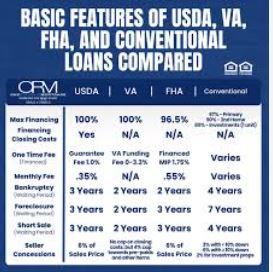
Once you meet with a trusted lender, they’ll walk you through loan options such as FHA, VA, USDA, and conventional financing. Each loan type has different down-payment requirements, credit score expectations, and closing-cost factors. This step helps you choose the program that aligns with your goals and monthly budget.

Another major benefit of getting pre-approved early is that it strengthens your offers. Sellers in Citrus County prefer working with buyers who have already completed the financing step.  It reduces risk and speeds up the closing timeline. In a competitive market, a pre-approval can help your offer stand out. Especially on homes in popular neighborhoods like Pine Ridge, Meadowcrest, Citrus Hills, or waterfront communities.

Your lender will also estimate your total budget, including down payment ranges, closing costs, insurance, taxes, and any programs you may qualify for. An example is Florida bond loans or Down Payment Assistance. This helps ensure there are no surprises later in the process.

Once your pre-approval letter is ready, you’re officially prepared to begin touring homes and submitting strong offers. As your Citrus County Realtor, I walk you through each step so you feel confident, protected, and informed from start to finish.

Understanding down payment requirements


Most buyers put anywhere from 0 percent to 20 percent down depending on their loan program. Here’s a quick overview:

  • 0 percent down: VA loans and USDA loans

  • 3 percent down: Conventional first-time buyer options

  • 3.5 percent down: FHA loans

  • 10–20 percent down: Strong conventional loans or buyers wanting lower monthly payments

Your lender will help you compare options and find the best fit for your situation. If you want to explore the different loan types, you can review them here:
👉 https://www.consumerfinance.gov/owning-a-home/loan-options/ (outbound link Yoast will accept)

Once you know which loan program you qualify for, you’ll have a clearer picture of what your down payment will look like.

Learn more about the Citrus County home buying process here: https://cindyburkhardt.com/buyer-resources/

https://chatgpt.com/c/69166c04-47e8-832d-8277-a73d8ae3eb76#:~:text=Learn%20more%20about%20the%20Citrus%20County%20buying%20process%20here%3A%0Ahttps%3A//cindyburkhardt.com/buyer%2Dresources/

Uncategorized November 14, 2025

What Is the First Step in Buying a Home in Citrus County?

If you’re thinking about buying a home in Citrus County, the very first step is understanding what you need before you start touring houses. This guide explains the first step in buying a home in Citrus County so you feel prepared and confident before jumping into the real estate market. Whether you’re looking in Crystal River, Dunnellon, Beverly Hills, Citrus Springs or nearby neighborhoods, this is the starting point every smart buyer takes.

First step in buying a home in Citrus County

What is the first step in buying a home in Citrus County?

The first step in buying a home in Citrus County is getting pre-approved with a reputable lender. Pre-approval tells you exactly what you can afford, what your monthly payment will look like, and which loan programs fit you best. It also strengthens your offers — sellers take pre-approved buyers seriously because it shows you’re qualified and ready.

Here’s what happens during pre-approval:

  • A lender reviews your income, credit, debts and savings

  • You receive a pre-approval letter with your buying power

  • You learn which loan options fit you (FHA, VA, USDA, Conventional, etc.)

  • You can confidently tour homes within your real budget

Without pre-approval, buyers often fall in love with homes outside their price range or find out too late that they weren’t ready to write a strong offer.

Learn more about mortgage loan types here:
👉 https://www.consumerfinance.gov/owning-a-home/loan-options/

Why pre-approval matters before touring homes

Pre-approval saves time, money and stress. It prevents surprises during the buying process and helps you compete in popular Citrus County neighborhoods where homes can move quickly. With a pre-approval letter in hand, you’re ready to schedule showings, compare homes and make winning offers.

What happens after pre-approval?

Once you’re pre-approved, your next steps are:

  • Connecting with a full-time local Realtor

  • Reviewing neighborhoods and lifestyle match

  • Setting up alerts for new listings

  • Touring homes that fit your goals

  • Preparing for inspections and the offer process

As a local Realtor, I guide you through every part of your home search so nothing feels confusing or overwhelming.

Ready to start your home buying journey?

If you’re thinking about buying in Crystal River, Dunnellon, Beverly Hills, Citrus Springs or any surrounding Citrus County community, I would be honored to help you take the first step with confidence.

📞 Call or text: 352-601-8627
📧 Email: cburkhardt550@gmail.com
🌐 Visit: CindyBurkhardt.com

Let’s begin your home buying journey the right way.

Uncategorized November 14, 2025

Your Citrus County Home Selling FAQ Guide by Cindy Burkhardt

Selling a home in Citrus County comes with its own questions, timelines and steps. This Citrus County home selling FAQ gives you clear answers so you can plan confidently and avoid surprises. Whether you’re selling in Crystal River, Dunnellon, Beverly Hills, Citrus Springs or any nearby community, these are the most common questions I hear from local sellers.

Learn more about real estate on Wikipedia.
👉 After you paste this, highlight the sentence and hyperlink it to:
https://en.wikipedia.org/wiki/Real_estate
(THIS is the outbound link Yoast will accept.)

Below is your complete Citrus County home selling FAQ to guide you from listing to closing.

External resource: Real estate on Wikipedia

Citrus County home selling

1. What is the first step in selling a home in Citrus County?

The first step is a professional home valuation with a local Realtor. I review recent comparable sales, market data and your home’s features to determine a competitive price range. This helps you list at the right number so you attract strong interest and avoid sitting on the market too long.

2. How do I know what my home is worth?

Your home’s value depends on location, square footage, condition, updates, roof age, AC age, lot size and recent sales in your neighborhood. I provide a detailed market analysis and walk you through the numbers so you understand exactly where your home fits in the market.

3. What improvements should I make before listing?

Not every upgrade brings a return. These usually do:

  • Fresh interior paint

  • Decluttering and organizing

  • Landscaping touch ups

  • Pressure washing

  • Small repairs and cosmetic fixes

I give every seller a simple list that maximizes value without overspending.

4. How long does it take to sell a home in Citrus County?

Most well priced homes attract strong interest within the first 30 days. Neighborhoods like Pine Ridge, Citrus Springs and Crystal River often move even quicker. Once you accept an offer, the closing typically takes 30 to 45 days.

5. Do I need professional photos and marketing?

Absolutely. High quality photos and marketing bring more buyers and stronger offers. My listing package includes:

  • Professional photography

  • Widespread social media marketing

  • Exposure to out of state buyers

  • MLS and all major real estate search sites

  • Optional video walkthroughs

Buyers often decide within seconds if they want to tour your home.

6. Should I be home during showings?

No. Buyers feel more comfortable walking through freely. I coordinate every showing, protect your schedule and provide feedback after each appointment.

7. What costs should I expect when selling?

Typical seller costs include:

  • Realtor compensation

  • Title and closing fees

  • Prorated taxes

  • Mortgage payoff if applicable

  • Repairs requested after inspection

I provide a full estimated net sheet upfront so you know your possible walk away amount.

8. What happens after I accept an offer?

Once an offer is accepted, the process includes:

  • Inspections

  • Appraisal

  • Buyer financing

  • Title work

  • Final walk through

  • Closing

I stay in close communication with all parties to keep everything on track.

9. What if the inspection finds issues?

Inspections often reveal small or moderate items. You can:

  • Make repairs

  • Offer a credit

  • Negotiate adjustments

  • Decline repairs depending on contract terms

My job is to guide you and protect your best interests.

10. How do I choose the right Realtor to sell my home?

Look for someone who:

  • Knows the Citrus County market

  • Communicates consistently

  • Has strong marketing

  • Understands pricing strategy

  • Has proven results

As a full time Citrus County Realtor, I use data, strategy and experience to help sellers move with confidence.

Ready to sell your home in Citrus County?

If you’re thinking about selling in Crystal River, Dunnellon, Beverly Hills, Citrus Springs or surrounding areas, I would love to help.

📞 Call or text: 352 601 8627
📧 Email: cburkhardt550@gmail.com
🌐 Visit: CindyBurkhardt.com

Let’s make your move smooth and successful.